What the €20 ticket includes
What's included in the entrance price, and what you still pay for separately at the museum.
Included in the ticket
- Il Gabinetto Segreto, room 65 on the first floor: no separate booking and no extra ticket needed
- La Egyptian collection on level -1, which the museum describes as “the second most important in Italy after the Egyptian Museum in Turin”
- The exhibition Parthenope. The Siren and the City, on the third floor, extended until 21 September 2026
- The cloakroom, free, and photographs for personal use: flashes and tripods require authorisation, selfie sticks are not allowed
Still paid for separately
- The museum's audio guide, €5, which you rent at the ticket office: 90 artefacts in 85 minutes, in five languages
- CoopCulture's official guided tour, €8 for 75 minutes, admission not included
- Everything you buy online: an app, a digital guide, a card, or two hours with a real guide
- The subscription OpenMANN, €25 for 365 days: five euros more than this single admission
The museum in the order you walk through it
From the main door to room 96, with what you find at each stop and what the opening plan doesn't guarantee.
I don't put minutes next to the stops, because the museum doesn't publish them, and inventing them would be the kind of number that everyone then copies. The order, however, is the real one: you go up from the ground floor and finish on the second floor.
- The western door — From February 5, 2025, the main entrance will be moved here due to works, and it is also the accessible entrance. Anyone arriving with an old map will walk around the building for nothing.
- The ticket office — It closes at 6:30 PM, an hour before the museum, and closing operations begin at 7 PM. Here you can rent the museum's audio guide and, most importantly, ask which rooms with unguaranteed opening are open today: the museum itself suggests this.
- Ground floor: Collezione Farnese — The opening plan guarantees rooms 1-7 and 25-29. The Toro Farnese is in room 16 and the Ercole Farnese in room 11, so outside that range; the Afrodite Callipigia, room 25, is within it. The Gemme Farnese, rooms 9-10, are only open on Saturdays and Sundays.
- Level -1: Egyptian collection — Rooms XVII–XXIII, open, and one of the three air-conditioned spaces in the building. It remains closed on free admission days, which is why the free Sunday costs you dearly.
- First floor: Gabinetto Segreto — Room 65, about 250 erotic artifacts from Pompeii and Herculaneum, definitively opened to the public in 2000. On the same floor is the mosaics collection, which is closed from September 16 to November 30, 2026.
- Second floor: Frescoes and Temple of Isis — The frescoes occupy rooms 67-75, 77 and 78: the Flora from Stabiae in 77, Terentius Neo with his wife and Sappho in 78. The Temple of Isis is in rooms 79-82 and 84, excavated since 1764.
- Villa dei Papiri — Rooms 114-117, and it only opens from 10:00 AM to 6:20 PM: it's the only section with its own schedule. The Runners and Dancers are in room 117, along with the rest of the bronzes.
- Salone della Meridiana — Vault frescoed by Pietro Bardellino in 1781 and a sundial from 1791, which the museum describes as «still perfectly functional today». On the second floor, you cross from one wing to another by passing through this hall.
- Plastico di Pompei — Room 96. Inaugurated in 1879, designed by Giuseppe Fiorelli, 1:100 scale, cork and paper floors with mosaics reproduced tessera by tessera.
The elevators only serve the wing they are in, so on the first floor, to change wings, you go back to the ground floor. Before you go, it's worth reading what is closed now and, if you have little time, what to see first.
How to buy, in the right order
First, the opening plan
The museum republishes it every few weeks, and the current one covers August 7 – September 21, 2026. It's the only way to know what you'll actually see.
Then ask yourself if the ticket office is enough for you
€20, zero pre-sale fee, and the same amount on the museum's official website if you prefer to have the ticket in your pocket. If the answer is yes, you're done.
If you add something, know what it is
An app, a digital guide, a city card, or two hours with a guide: the six options range from €3.99 to €45 and don't all do the same thing.
Book and decide later
All six can be canceled for free up to 24 hours before, so booking early costs you nothing if you change your plans later.
The two hours with a guide, with available dates
The guided tour for €42 at the time of writing, 4.8 out of 605 reviews: it's the only item on this site that truly changes the visit instead of just changing how you buy the ticket. The price is a GetYourGuide «starting from» and it fluctuates. If you prefer the official version, CoopCulture guides for 75 minutes at €8, admission not included: I've compared them here.
Ticket with app, real guide, or city card?
Three different things that start from the same €20 admission. The middle column is the only one that adds a person who speaks.
| Naples: National Archaeological Museum Ticket and Audio App | Highest ratingNaples: National Archaeological Museum Guided Tour | Campania: Artecard 3–7 days or Gold/Lite 365 | |
|---|---|---|---|
| Price | from €26 | from €42 | from €27 |
| Above the €20 from the ticket office | six euros more | twenty-two euros more | seven euros more, but it's valid for three entries |
| What it adds | A phone app | Two hours with a guide, who chooses what to see | Three entries over three days and urban transport |
| Museum entry | Included | Included | Included, it's the first on the list |
| Rating | 4.2 (1,188) | 4.8 (605) | 3.0 (792) |
| Good to know beforehand | One reviewer found a voucher without a barcode that was disputed at the entrance | For groups over 14 people, radio guides are needed, and some people didn't get them | Activation cannot be cancelled and the Alibus is excluded |
| Free cancellation | ✓ up to 24 hours before | ✓ up to 24 hours before | ✓ up to 24 hours before |
| View → | Book → | View → |
Photo Gallery
What it's like inside
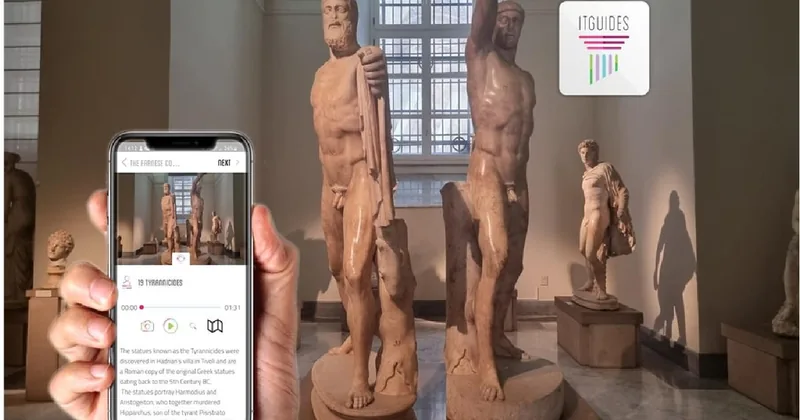
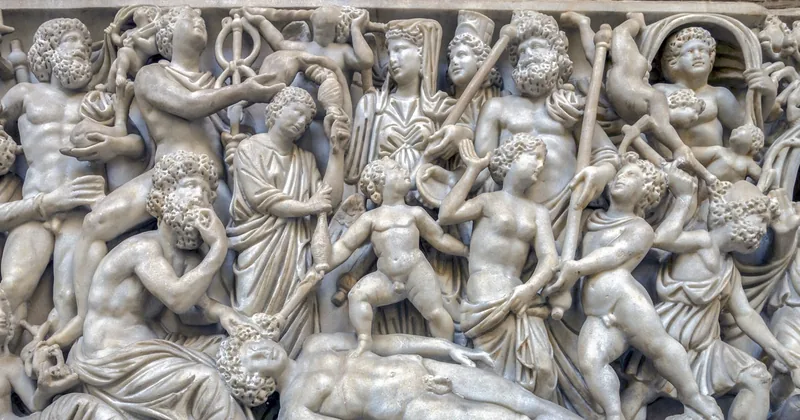
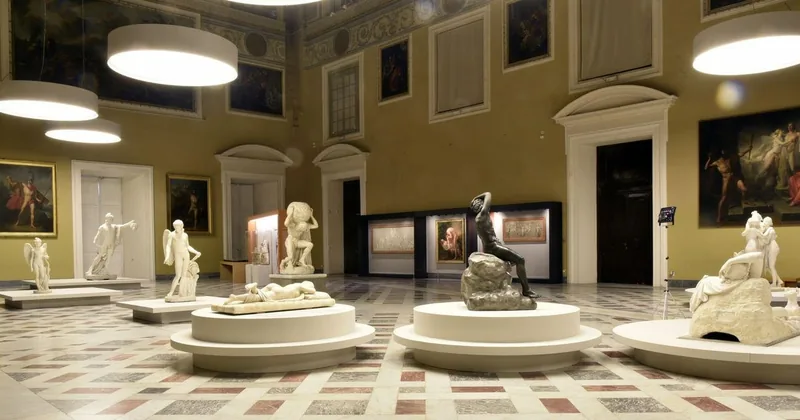
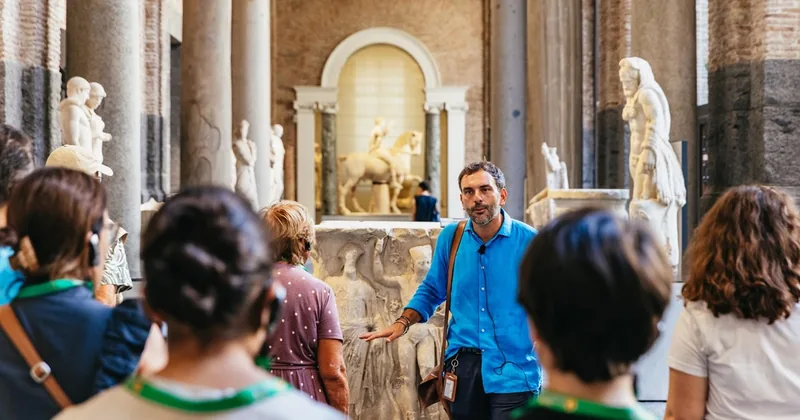
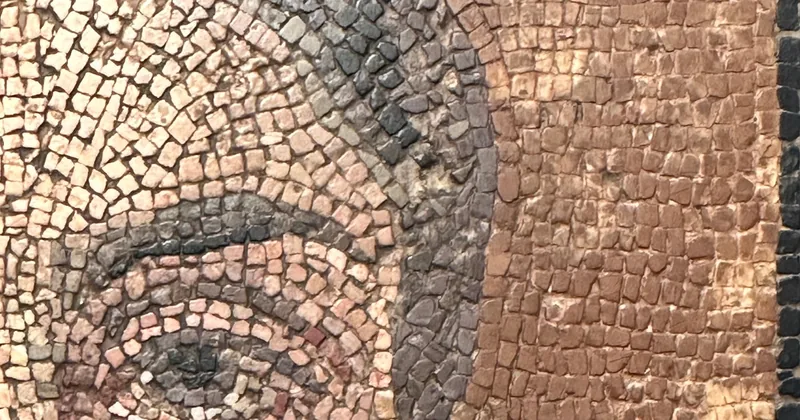
Images of the kind of things the museum exhibits — marbles, frescoes, a hall, a model — not a photograph of a specific room on a specific day.
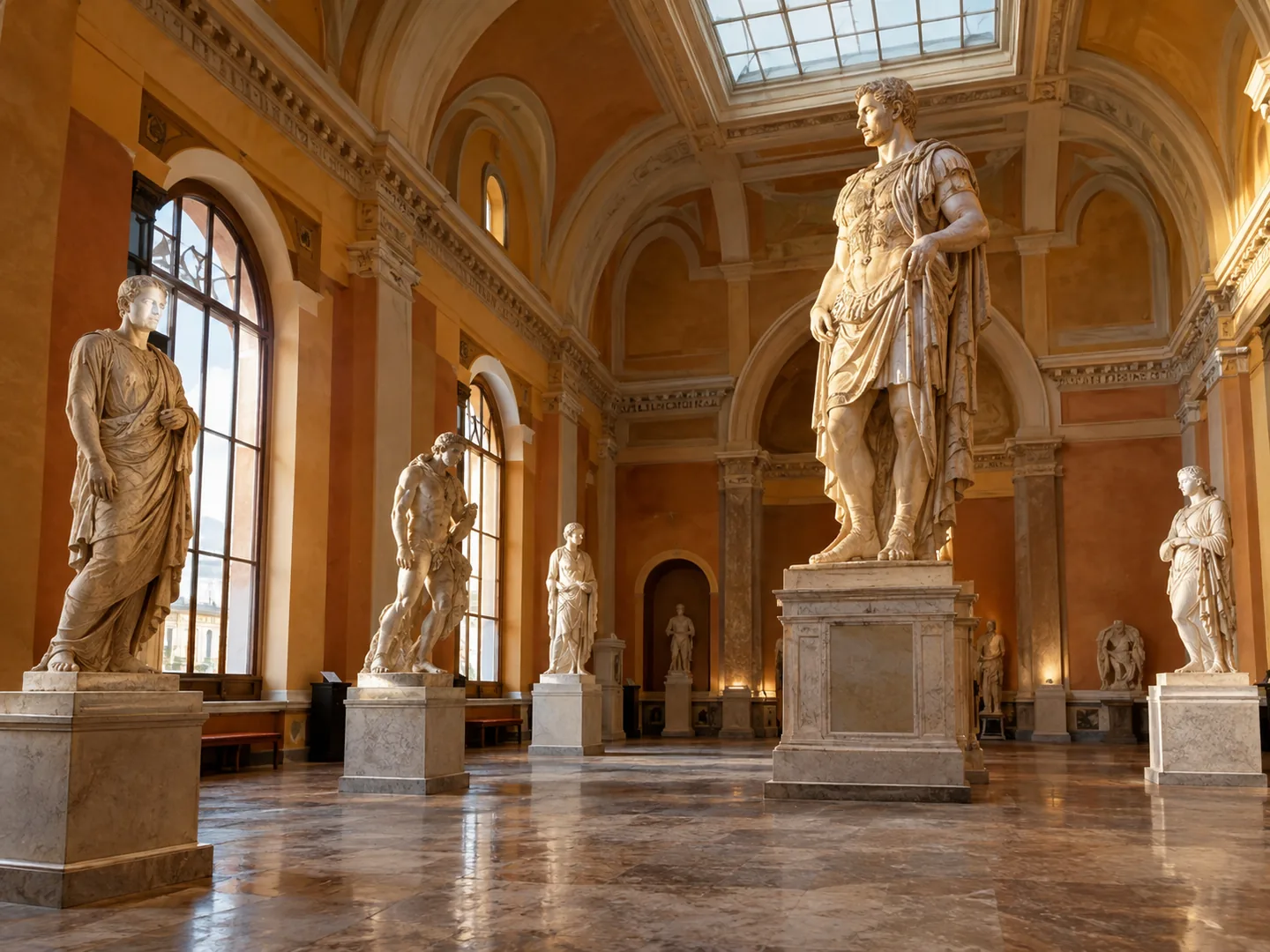
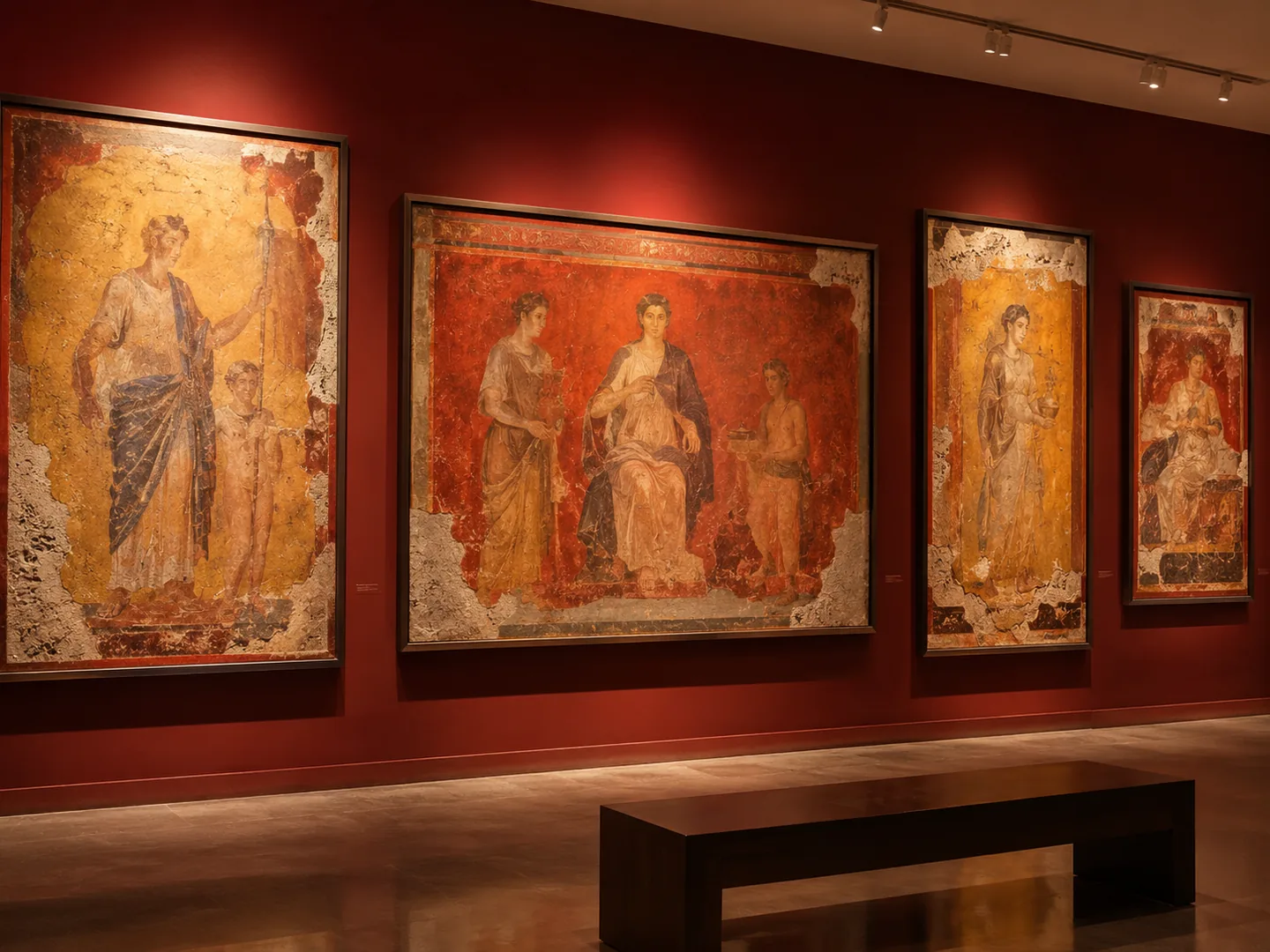

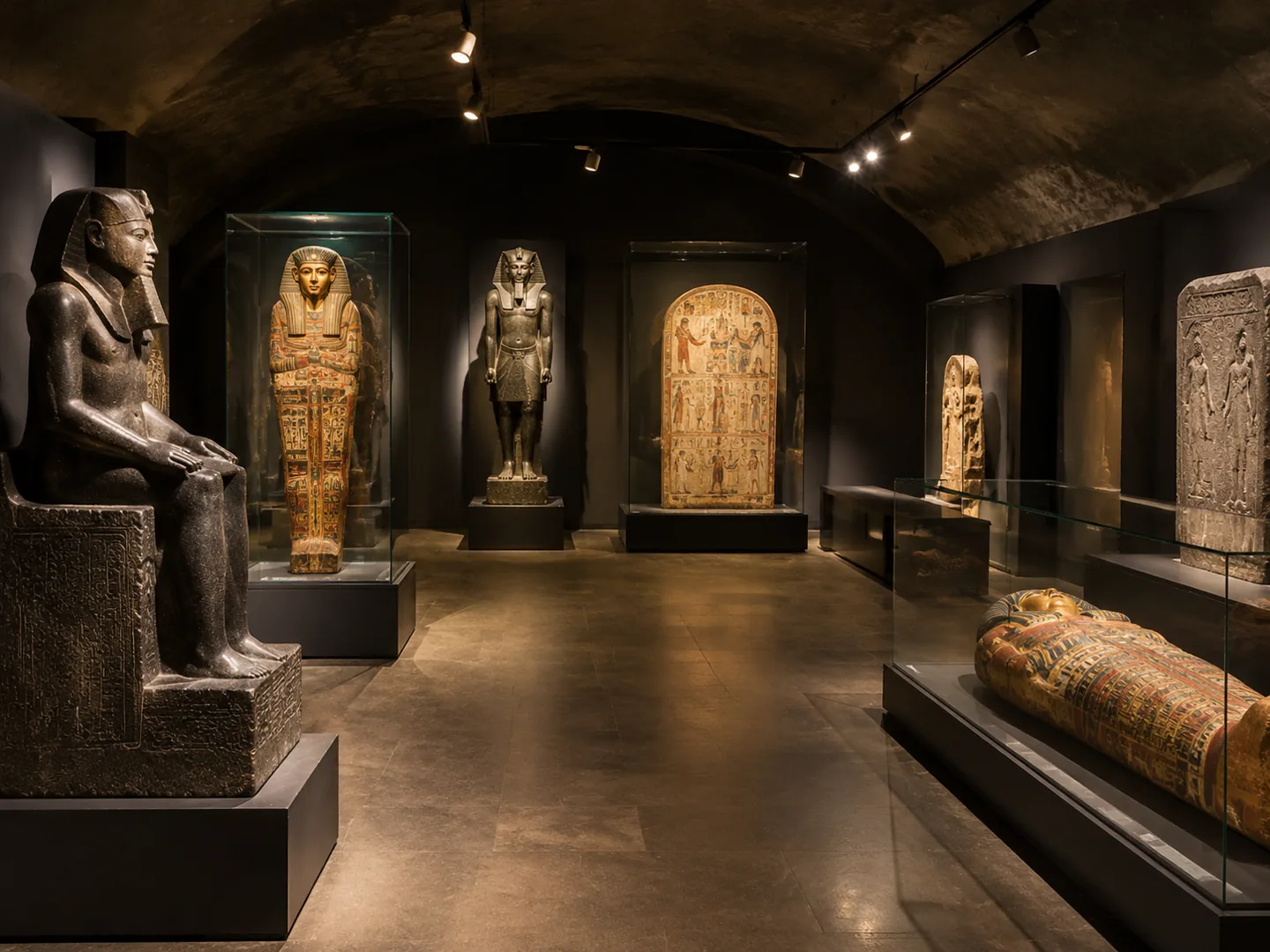
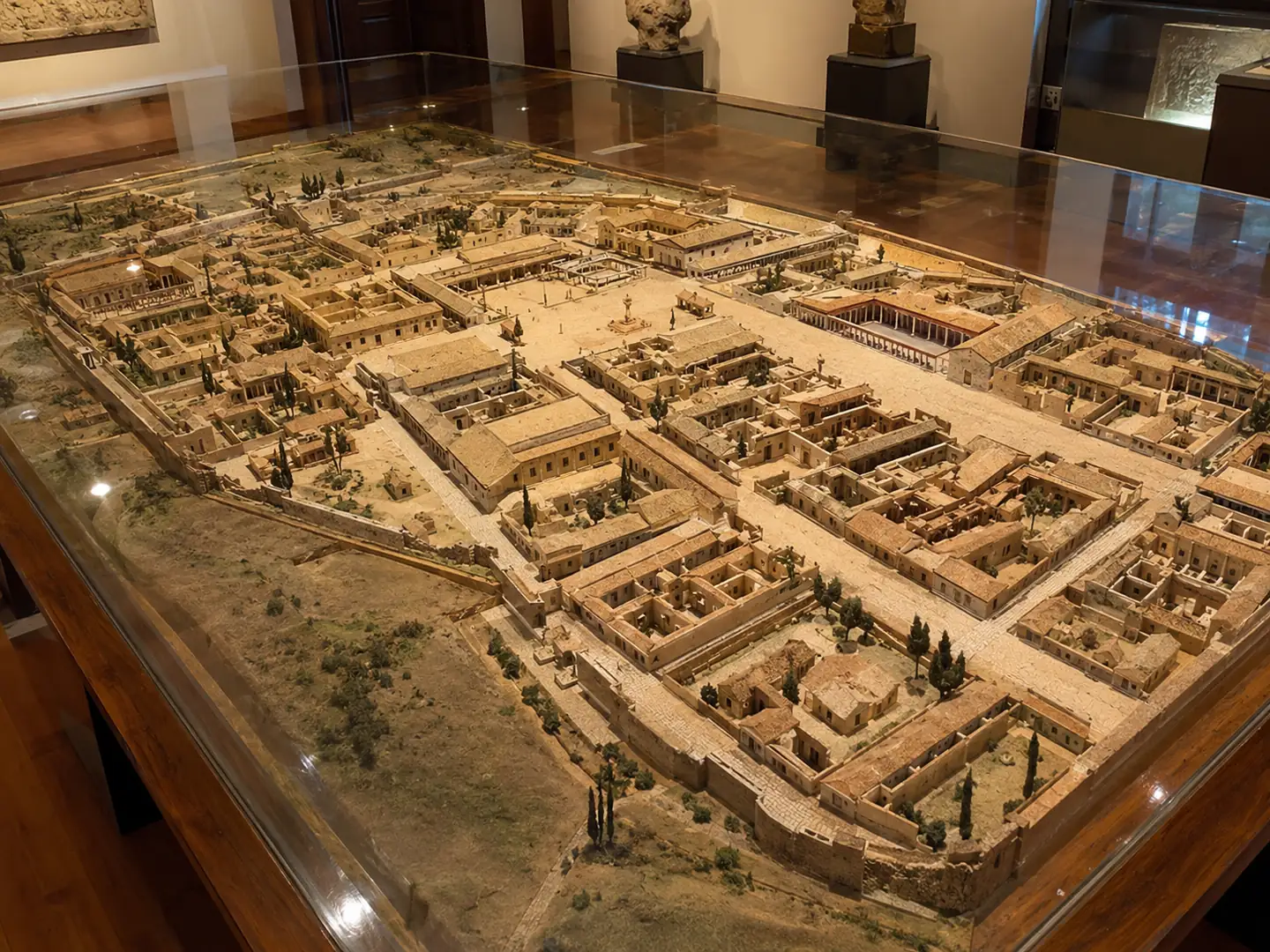

The six options you can buy online, all together
The first three are not guided tours: they are different ways to buy the same entry ticket. The last three add a guide or a card. Prices 'starting from' as read on 14 September 2026.
 The cheapest
Naples: National Archaeological Museum Audio Guide
 The best seller
Naples: National Archaeological Museum Ticket and Audio App
 City pass
Campania: Artecard 3–7 days or Gold/Lite 365
 Priority entry
Naples: National Archaeological Museum with Digital Guide
 Flesh-and-blood guide
Naples: Guided Tour of the National Archaeological Museum
 Private
Naples: Private Guided Tour of the National Archaeological Museum
What they wrote afterwards
Product reviews on this page, including those that aren't compliments.
It was not necessary to book skip the line tickets and the audioguide wasn’t useful. The museum is worth visiting though.
This is just for tickets to the museum — the audio guide is an app on your phone, not the audio guide provided by the museum.
I didn't always find the things described in the guide, but then I discovered they were under restoration.
The purpose of buying it was to avoid the huge queue at the ticket office. And I got in without queuing.
Our guide was very kind, but there was no audio, which was annoying because the place is very crowded.
Some rooms in the museum were closed and that wasn't good.
Ratings and reviews are those published in real time on GetYourGuide. Read all reviews ›
The questions they asked me in front of the ticket office
Four things everyone asked, with the answer I gave while standing there.
Is it better to buy online or pay at the counter?
The booking fee on the museum's official website is zero: their words, 'with booking fee €0.00'. So booking from tickets.museoarcheologiconapoli.it costs €20, the same as paying at the counter, and the only thing you're buying is peace of mind. Anything that costs more online is adding something else: the full price list is here.
I'm going on the first Sunday of the month: what will I miss?
The Egyptian collection, the Gabinetto Segreto, and Magna Grecia. The museum keeps them closed on free admission days for security reasons, and these are exactly the three sections most people come to see. On free days, tickets are only collected at the ticket office, and even the official tour doesn't give you priority in the queue. When it's really worth going for free.
I came for the Alexander Mosaic.
Well, this is the bad news, and it's better to have it now than on the stairs: the mosaic has been under restoration since 2021 and is not visible. There were two viewing points for the restoration site, inside the mosaics collection, and from 16 September to 30 November 2026, that will close too. No reopening date has been published. The full story.
How long does it take?
The museum refuses to say: 'Once inside, you can enjoy the Museum for as long as you wish.' Their only guides are the audio guide, 90 artefacts in 85 minutes, and the official 75-minute tour, covering 125 rooms. My estimate, not theirs: if you spend serious time in the sections that interest you, you'll be there for between two and three hours. How I calculated it.
MANN, explained
For eight years I accompanied groups in here, and the question they asked me most often on the stairs was about the mosaic they couldn't find. The second was why they had paid more than the ticket price. I'll answer both, in order.
How much it really costs to get in
€20 for a full-price ticket, €2 for a reduced ticket, free for under 18s regardless of passport. The reduced ticket isn't the generic 'EU 18-25' you read about: it also includes Switzerland and Uruguay due to reciprocity, and those with a residence permit.
The number that matters for those choosing online is another one: the museum's online booking fee is zero. Textually, from their page: 'with booking fee €0.00'. Booking on tickets.museoarcheologiconapoli.it costs the same as paying at the counter, and it's optional: mandatory only for groups and school parties.
This is where the correction I want to make twice comes from. Almost all Italian blogs, and even automatic search engine overviews, still write that the ticket costs about €22 and is valid for two consecutive days. That system existed, it started on 4 March 2023 with the Lucio Dalla exhibition, and it has ended. Today you pay €20 and you enter once. The updated price list is here, with the maths for the annual pass: €25, five more than this single entry.
The Alexander Mosaic cannot be seen
Half the people who come in here do so for one thing, and that thing isn't there. The Alexander Mosaic — 5.82 by 3.13 metres, over a million tesserae according to the museum, from the House of the Faun in Pompeii — has been under restoration since 2021 and, in their words, 'is not visible'. At the end of October 2023, it was flipped face down, because the second phase of work is on the back and the tesserae are covered by planking. The cause of the damage is the iron frame with which Vittorio Spinazzola walled it vertically in 1916: it has oxidised.
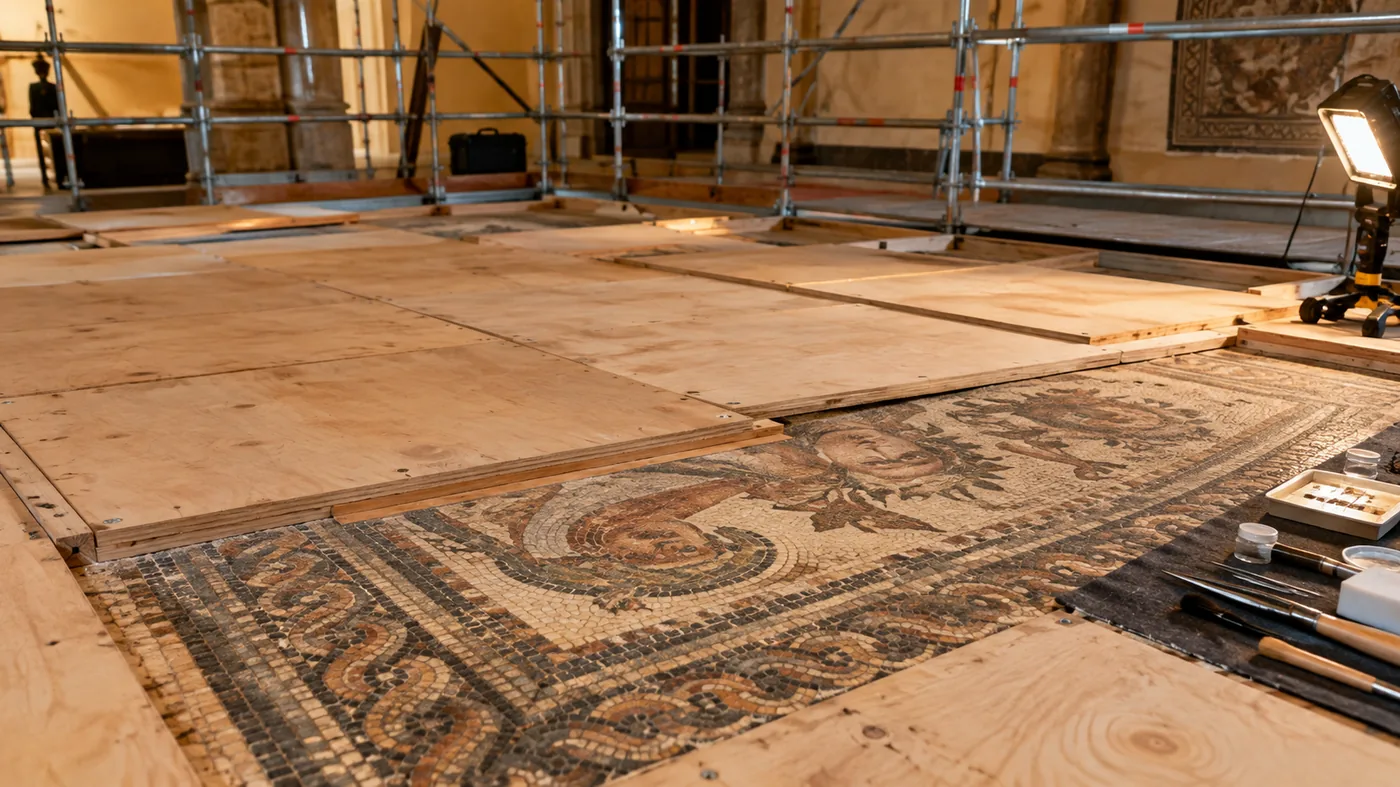
And now you can't even see the restoration site
Until now, there was still one consolation: two viewing points from which you could watch the restorers at work. They are inside the mosaics collection, and that closes from 16 September to 30 November 2026. From that date, the mosaic is neither visible nor observable under restoration, and the entire gallery closes with it. No reopening date has been published, and you won't find one here either.
A detail, before you trust what you read: the official page for the mosaics collection still presents the mosaic as the culmination of the visit, without a word about the restoration, while the notice on the homepage says the opposite. The museum contradicts itself. Here I've listed the dates.
What's open on the day you go
The museum is undergoing reorganisation and energy efficiency works, and publishes a collection opening plan that changes every few weeks. The current one is valid from 7 August to 21 September 2026 and should be read before you go, not after: it's on the official website and almost no one links to it.
An example. The plan guarantees the Farnese collection “limited to rooms 1-7, 25-29”, while the official printable map lists it as “rooms 1-8, 11-16, 25-29” without any further information: the Toro Farnese is in room 16 and the Ercole Farnese in room 11, so anyone relying on the map is counting on two things they might not find. And, since the opposite is circulating: the Toro Farnese is not under restoration, it's its room that is outside the guaranteed ones.
In the same list: Epigraphic collection closed, Gemme Farnese only Saturday and Sunday, Numismatic and Magna Grecia not guaranteed, Villa dei Papiri open only from 10:00 to 18:20. For non-guaranteed rooms, the museum advises asking at the ticket office before entering, and warns that a closed section “cannot result in a refund of the ticket already purchased”. The updated list.

The trap of free days
Entry is free on the first Sunday of the month, April 25, June 2, November 4, and March 8 if you are a woman. It seems like a smart choice, but it almost never is: on those days, these remain closed for security reasons the Egyptian collection, the Secret Cabinet and the Magna Grecia collection, the three things the casual visitor came for. And tickets cannot be booked, they are collected at the ticket office. Twenty euros on any given Thursday buys an entire museum; zero euros on a Sunday in February buys half a museum and a queue. When it's worth it, and when it's not.
Which of the six options, and why
Three of the six things you buy online are not visits: they are different ways to buy the same admission. The €3.99 smartphone audio guide does not include the ticket. The ticket plus app package for €26 is six euros more than the ticket office price, and those six euros buy you online booking and cancellation up to 24 hours before: everyone decides for themselves. The Campania Artecard for €27 has the lowest rating on this page, 3.0, and is only worthwhile for those who travel a fair bit: activation cannot be cancelled. The six options compared.
Then there's the sixth option, and I won't pretend to be impartial about this one. The two hours with a real guide, costing €42 at the time of writing, have a 4.8 rating from 605 reviews. In 125 rooms with few captions, where some of what you're looking for might be closed, having someone choose what to see changes the day more than any app: it's twenty-two euros more than the ticket office price and it's worth it, if you're only coming here once. Two warnings from its reviewers: for groups over 14 people, radio guides are needed and some groups didn't get them, and closed rooms remain closed even for guides. I compared it with the official CoopCulture tour, €8 without admission, here.
Frequently asked questions
How much does a ticket to the Museo Archeologico Nazionale di Napoli cost?
€20 for a full ticket, €2 for a reduced ticket for 18-25 year olds from the European Union and EEA, free for under 18s. The online pre-sale fee is zero, so booking on the museum's website costs the same as paying at the ticket office. The figure of approximately €22 with two-day validity, which is still widely reported, comes from a March 2023 system that no longer exists. The complete price list, item by item.
Is the Museo Archeologico Nazionale di Napoli free?
It is free on the first Sunday of every month, April 25, June 2, November 4, and March 8 for women, as well as always for under 18s. The hidden cost is that on those days the Egyptian collection, the Secret Cabinet, and the Magna Grecia collection remain closed, and tickets can only be collected at the ticket office. What you miss by entering for free.
How much time is needed to visit the museum?
The museum does not publish a recommended duration and states in its regulations that you can stay as long as you wish. Its only references are the audio guide, 90 artifacts in 85 minutes, and the official guided tour of 75 minutes, covering 125 rooms and approximately 18,000 works on display. Any more precise number is an estimate by the person writing it, including my own. How to think about time.
What not to miss at the Museo Archeologico Nazionale di Napoli?
The Collezione Farnese on the ground floor, though the opening plan only guarantees rooms 1-7 and 25-29; the Gabinetto Segreto in room 65; the Egyptian collection on level -1; the Vesuvian frescoes and the Temple of Isis on the second floor; the Plastico di Pompei in room 96. The Toro Farnese, room 16, and the Ercole Farnese, room 11, are outside the guaranteed section. Section by section, with opening status.
Where is the Alexander Mosaic?
It's here, but you can't see it. It comes from the House of the Faun in Pompeii and has been at the museum since 1844; since 2021 it has been undergoing an extraordinary restoration, and at the end of 2023 it was flipped face down because the work concerns the back. The two viewing points for the restoration site are in the mosaics collection, which is closed from September 16 to November 30, 2026, and no reopening date has been published. The whole story.
When is the museum closed?
Every Tuesday, unless Tuesday falls on a public holiday: then it opens and the closure shifts to the following Wednesday, as for June 2 and December 8, 2026. During the year, it only closes on January 1 and December 25, for 311 days of opening. Opening hours are 9:00-19:30, with the ticket office closing at 18:30. What is closed besides Tuesdays.
Is the Gabinetto Segreto included in the ticket?
Yes: it's in room 65 on the first floor, it's included in the €20 ticket and does not require a separate booking or a separate ticket. It houses about 250 erotic artifacts from Pompeii and Herculaneum and has been definitively open to the public since 2000. The only time you can't enter is on free admission days. Where it is on the route.
Still have a question? Write to me at [email protected]